Marketing
Ultimate Event Management Guide & Template
December 10, 2024·3 min read
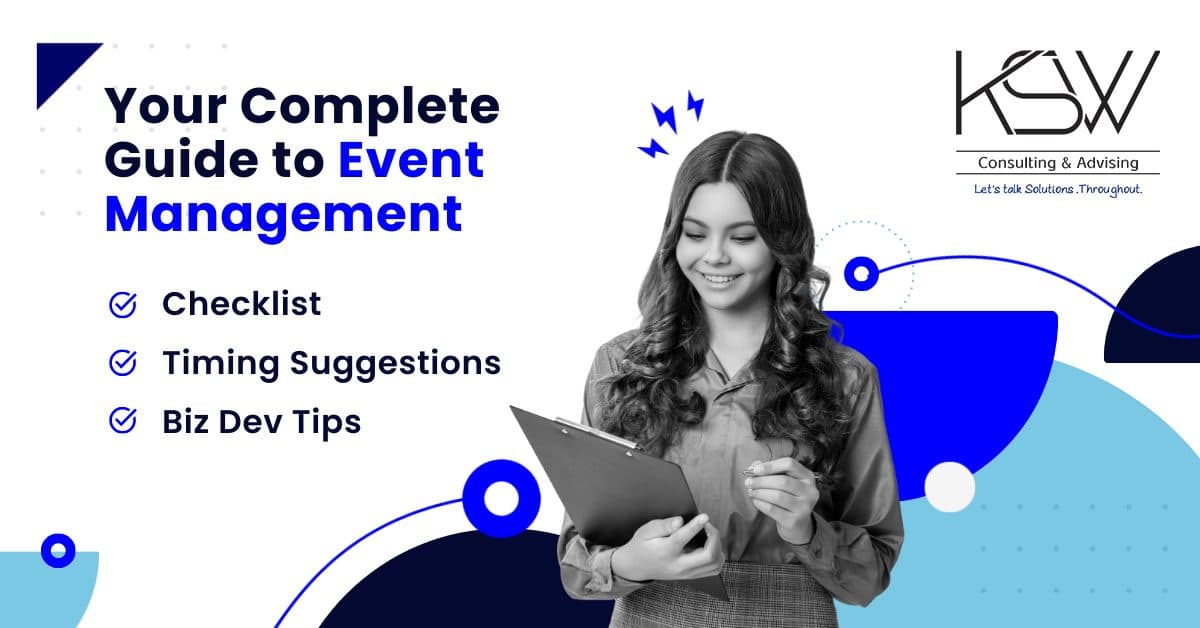
Planning for expos and conferences can feel overwhelming, but with the right system and strategy, your business can turn events into a lead-generating powerhouse. This guide walks you through checklists, timing suggestions, and biz dev tips to make event management seamless and effective.
1. Start Early: Event Identification & Planning
The key to successful event participation is starting early. Here's how:
- Annual Event Planning: By November or December, identify the key events for the following year. Use a central platform like a monday.com board to track events and ensure recurring opportunities, such as biannual expos, are not forgotten.
- Quarterly Analysis: Review potential new event opportunities every three months. This allows your team to adapt to emerging trends and identify new ways to reach your audience.
2. Timing Is Everything
Planning your event participation on a timeline ensures no detail is overlooked. Here's a suggested breakdown:
6 Months Before the Event
- Hold a kickoff meeting with everyone involved.
- Define event goals, such as lead generation or brand awareness.
- Assign responsibilities (e.g., logistics, marketing, booth design).
- Coordinate shipping plans, especially for demo items — sea shipping requires close communication with logistics teams.
3 Months Before the Event
- Confirm booth design and marketing materials.
- Test demos or tech solutions to avoid last-minute issues.
- Begin regular check-ins with the team to ensure alignment.
1 Month Before the Event
- Finalize travel arrangements and accommodations.
- Pack all essentials, including business cards, marketing materials, and booth furniture.
- Double-check shipment statuses for demo items.
3. Checklist: Don't Let Anything Fall Through the Cracks
A comprehensive checklist ensures smooth execution. Key items to include:
- Booth design and furniture setup
- Shipping demo products
- Printing marketing materials
- Booking flights and hotels
- Preparing digital assets for on-screen displays
- Training staff on event objectives and pitches
Post-event, use the checklist to ensure tasks like lead follow-ups, competitor analysis, and debrief meetings are completed.
4. Post-Event To-Do List
After the event, the real work begins:
- Follow Up: Reach out to every lead within a week while conversations are still fresh.
- Analyze Marketing Materials: Review competitors' brochures and displays for insights.
- Team Debrief: Hold a meeting to discuss lessons learned and opportunities for improvement.
5. Biz Dev Tips: Maximizing ROI from Events
Participating in expos isn't just about showing up — it's about ensuring your investment pays off:
- Warm Leads Galore: Events are a hotbed for warm leads. Unlike cold-calling, attendees are actively looking for solutions like yours.
- Strategic Investments: A booth may cost $10,000+, but when done right, the ROI often outpaces traditional lead-generation methods.
- Engaging Booths: Make your booth interactive — demo products, offer giveaways, or host live Q&As.
Events are an incredible opportunity to meet prospects who are already interested in what you offer. By following this guide, you'll be prepared to turn your next expo into a lead-generating machine.
The Ultimate Event Management Template
To make your planning even easier, we've created a Conference Project Plan Template. This template includes sections for:
- Admin & General Updates
- Payments & Receipts
- Team Assignments & Responsibilities
Use it to ensure every detail is covered from start to finish. Get in touch and we'll send it your way.
Category
B2BB2CMarketingTips
Share on Social Media
Who needs another newsletter?
We send a few focused emails a month with real sales and marketing takeaways. Keep it if it helps. Drop it if it doesn't.