Marketing
Why High Engagement Doesn't Mean Leads on LinkedIn
October 29, 2025·3 min read
We hate to break it to you: high engagement on your social posts doesn't always mean high visibility.
And visibility is what actually counts. If people don't see your marketing, it's like you never posted it in the first place.
It's easy to chase likes, comments, and shares. But those numbers don't necessarily translate into reach. Impressions show how many people actually saw your content, and that's what drives awareness and sales.
If you're struggling with that gap between engagement and exposure, you're not alone. We wrote about this kind of disconnect in our post on AI-Era Marketing: When You Aren't Getting Clicks. The problem isn't always the message. Here are some tried and tested tips to help you get engagement AND impressions.
1. Use Images That Stop the Scroll
In one of our recent posts, we used a photo of my kids. It wasn't random. It fit the story and made people pause.
Photos of kids or babies often perform better, but only when they make sense in context. Forced or unrelated images feel manipulative and will backfire. No one wants to see kids used for clicks unless you're intentionally going for outrage content, which we don't recommend.
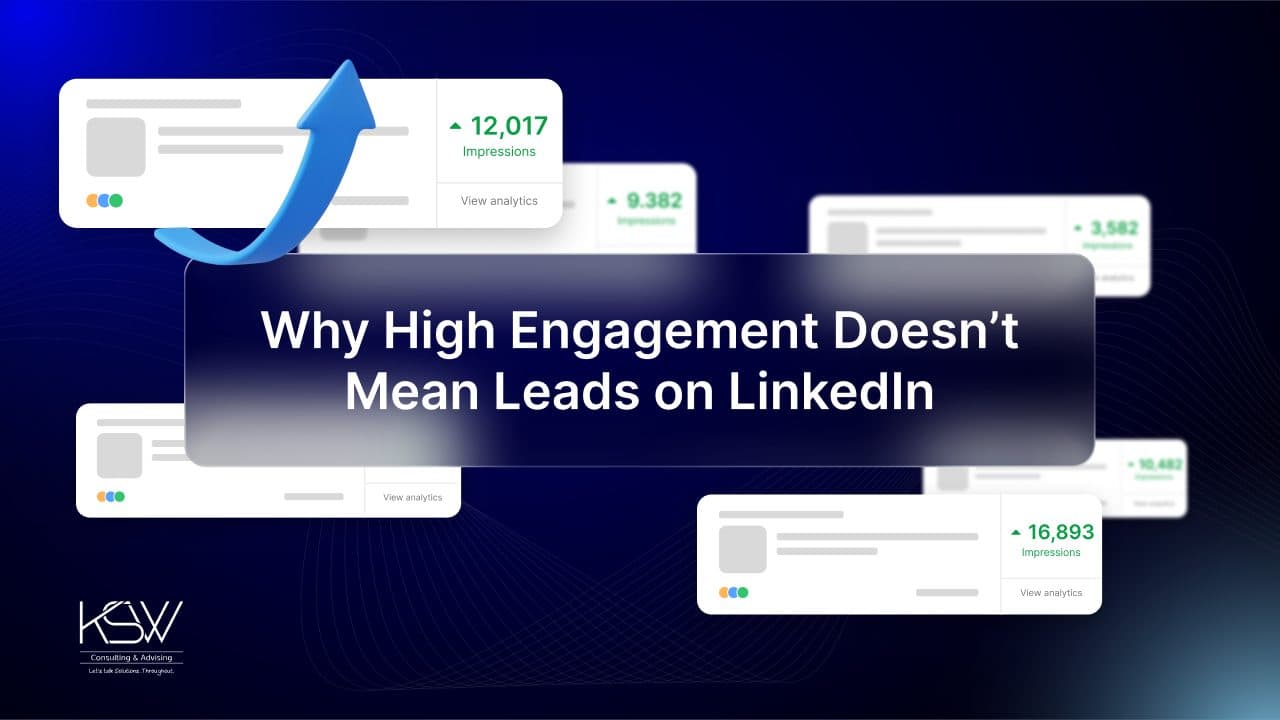
If the image supports the story, use it. If not, find something that captures attention for the right reasons. For example, in the screenshot the top post, with the highest impressions but not the most likes, shows some particularly adorable children. Viewers will likely want to click on the photo to see them larger, enhancing your status with the algorithm.
2. Add a Strong Thumbnail to Your Video
The next post you can see in the image contains a video. It got more than 130 likes, dozens of comments, and plenty of shares as of this screenshot (it actually has 10,000+ since, but we're just bragging).
But here's the surprising part: it only received about twice as many impressions as the image post below it.
Why? The thumbnail of the image lacks text. It's just a guy making a weird face.
A strong thumbnail can make all the difference. It tells the viewer what to expect and convinces them to click before they even hit play. Whether it's a short quote, a reaction shot, or a clean title screen, the first frame matters more than most people think.
This applies beyond social content too. As we shared in What Is Your Blog Doing for Your Site?, visuals are the first element that signal whether your content is worth someone's time.
3. Give Your Posts Time to Breathe
One of the biggest mistakes people make on LinkedIn is posting too often.
That same post with the video? Four months later, it has over 10,000 impressions, with new comments and reposts still trickling in.
If you're posting every day, you're actually hurting your reach. LinkedIn's algorithm now takes days to distribute and test your content. When you post again too soon, the platform shifts focus to the new content and stops pushing the old one.
Try posting twice a week instead, leaving at least two days between posts. It gives each post time to build momentum and lets the algorithm do its job.
If you're unsure how to fill those off days, take a look at our post on Sales and Marketing Tasks for When You Have Downtime. You'll still stay productive while giving your content the oxygen it needs.
4. Focus on Strategy, Not Luck
LinkedIn success isn't about luck. It's about understanding how the platform works and applying the same strategic thinking you use in your business.
At KSW Solutions, our marketing team tests every approach before we recommend it. The same principles apply to your broader strategy. If you want your marketing to actually work instead of just exist, it's time to think bigger.
If you're ready for sales and marketing that people that test and optimize, and don't just turn to ChatGPT for advice, reach out.
Category
MarketingTips
Share on Social Media
Who needs another newsletter?
We send a few focused emails a month with real sales and marketing takeaways. Keep it if it helps. Drop it if it doesn't.